Mida Food
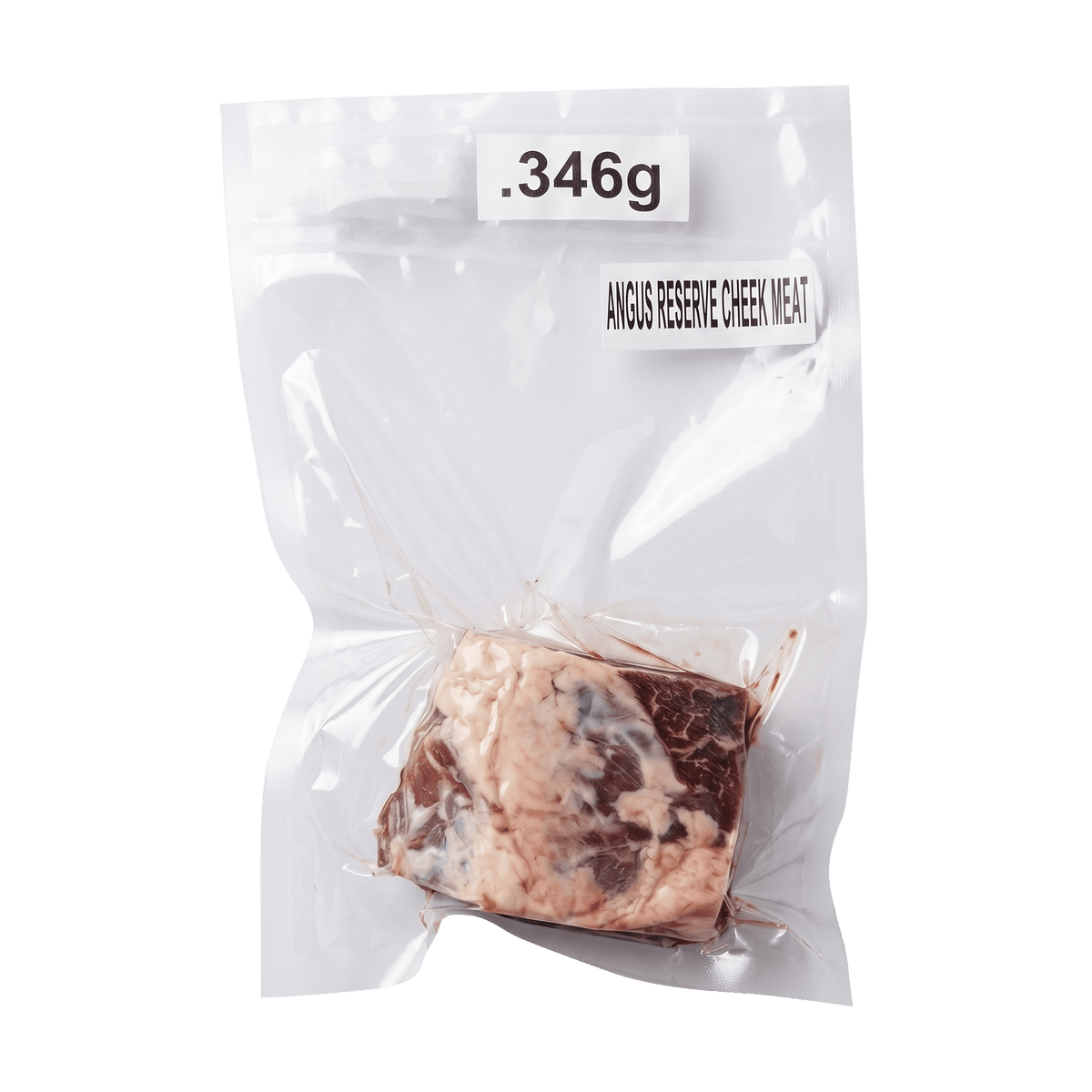
Angus Reserve Beef Cheeks Meat
Angus Reserve Beef Cheeks Meat
Couldn't load pickup availability
Beef cheeks are one of the most flavorful cuts you can cook, known for their deep marbling and melt-in-your-mouth tenderness when braised. Angus Reserve's Black Angus cattle are raised under strict Australian standards, ensuring consistently high-quality meat with exceptional flavor and texture.
Each piece weighs 300–350 grams and is packed frozen for convenience. This cut shines in slow-cooked dishes where the collagen transforms into a silky, rich sauce. Ideal for stews, Asian braises, tacos, pastas, or modern restaurant-style plates, beef cheeks offer versatility and impressive results with minimal seasoning.
✅ 3 Reasons to Choose This Product
Frozen fresh to preserve its natural richness and quality
Premium Angus beef raised under Australian cattle standards
Conveniently portioned at 300–350g for stews, braises, and plating
🔥 Cooking Ideas
Asian Soy-Braised Beef Cheeks – simmer slowly in soy sauce, ginger, star anise, and aromatics until fork-tender.
Classic Red Wine Braise – cook low and slow in wine, herbs, and vegetables for a rich, hearty dish.
Beef Cheek Ragu – shred the braised cheeks and toss with pasta for a deeply savory sauce.
❄️ STORAGE & HANDLING
- Keep frozen at –18°C or below
- Do not refreeze once thawed
- Consume immediately after thawing
🥶 THAWING TIPS
Best: Thaw in the refrigerator for a few hours or overnight
Quick: Keep it sealed in plastic and immerse in cold water
❓ FAQs
What makes beef cheeks unique compared to other cuts?
They contain natural collagen that breaks down during slow cooking, creating exceptional tenderness and richness.
How long should beef cheeks be cooked?
They require long, slow cooking—typically 2.5 to 4 hours depending on the method—to reach optimum tenderness.
Can beef cheeks be cooked directly from frozen?
It’s best to thaw first to ensure even cooking and a smooth, tender texture.
Share