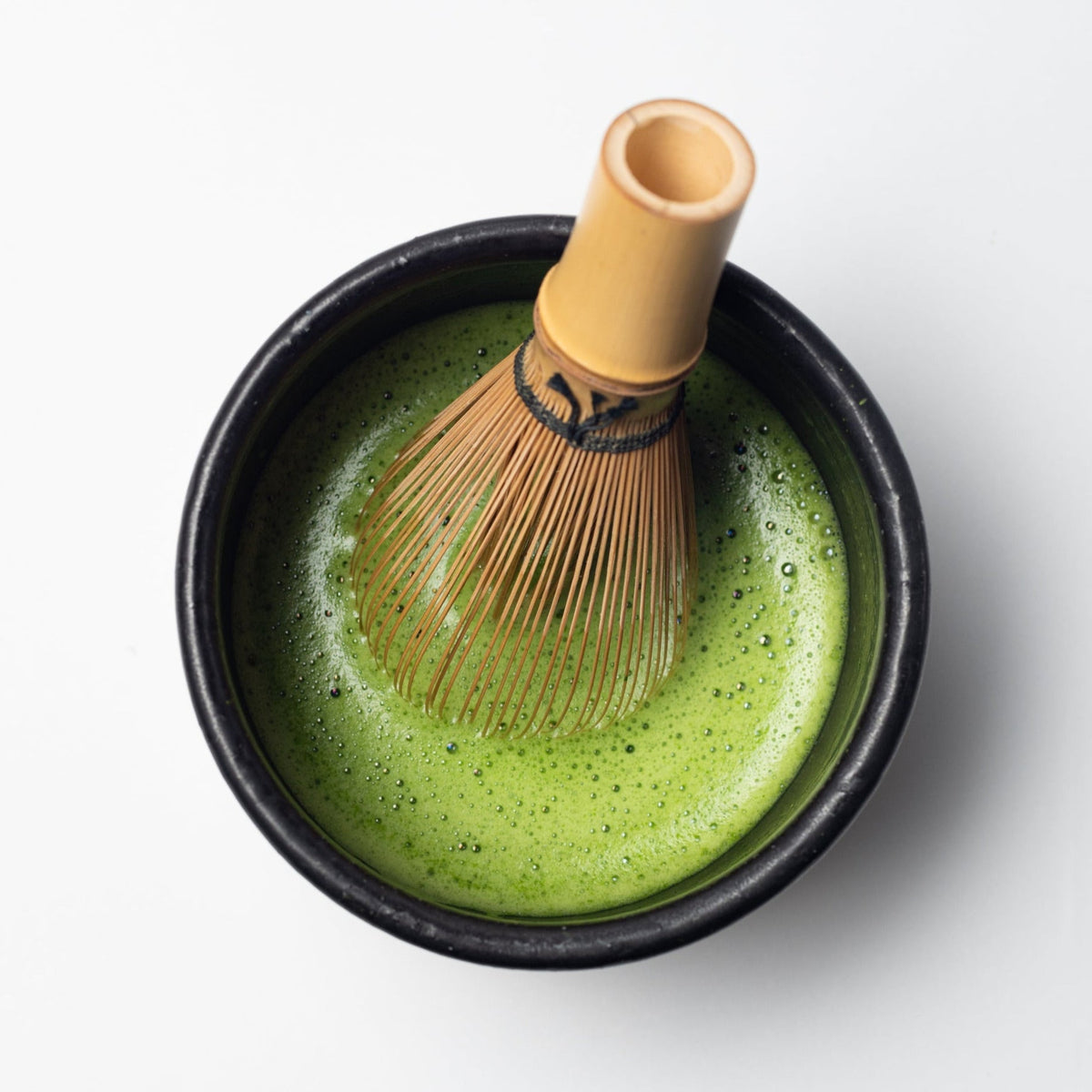
Skip to product information
1 of 17

KITSUNE

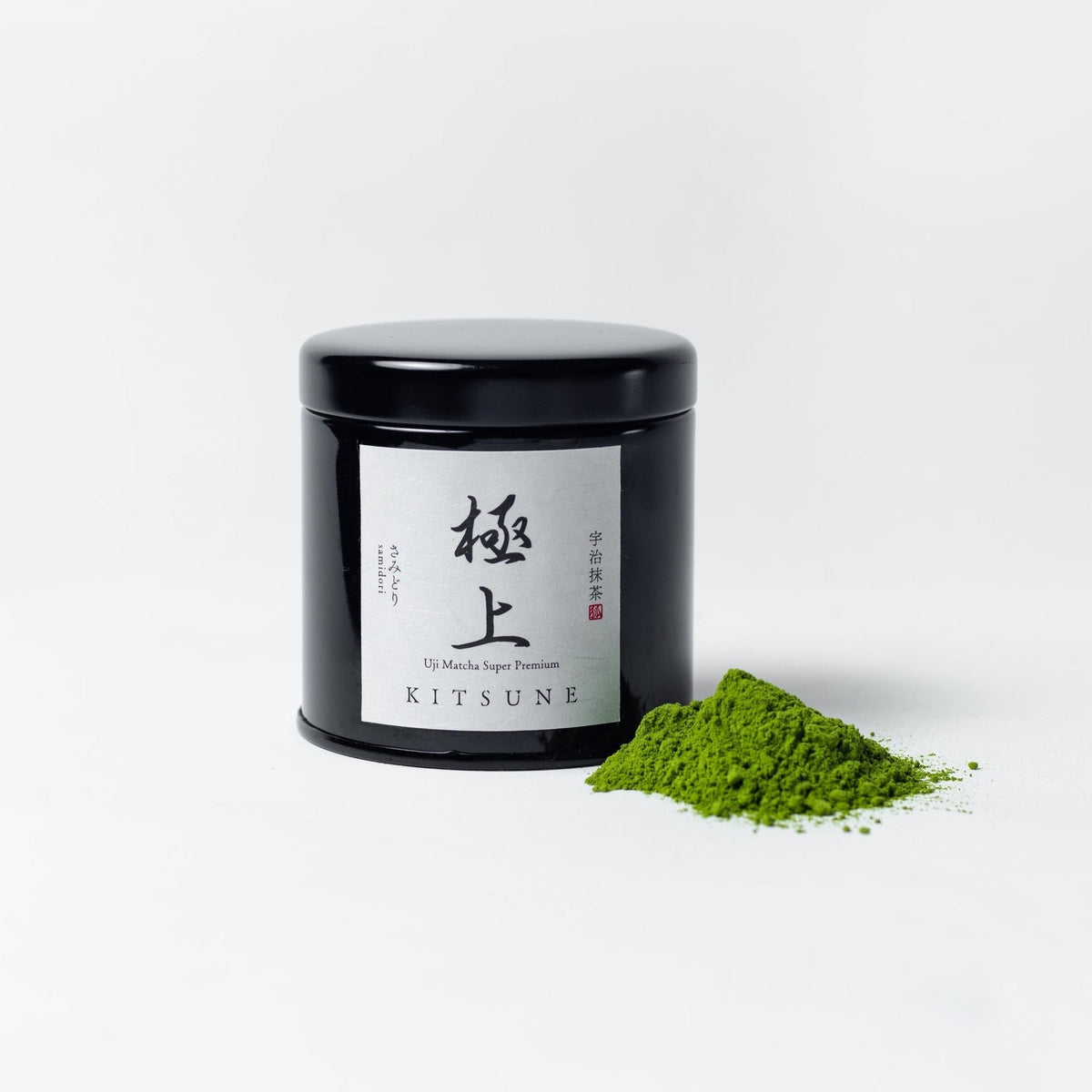
uji matcha super premium samidori 40g

uji matcha super premium samidori 40g

Regular price $47.00 USD
Regular price Sale price $47.00 USD
Sale Sold out
Shipping calculated at checkout.
Quantity

 Cetemonial Grand Kyoto Uji Matcha.

From Nagatani`s Family Factory to Your Cup!

Freshly ground when you order for maximum freshness!

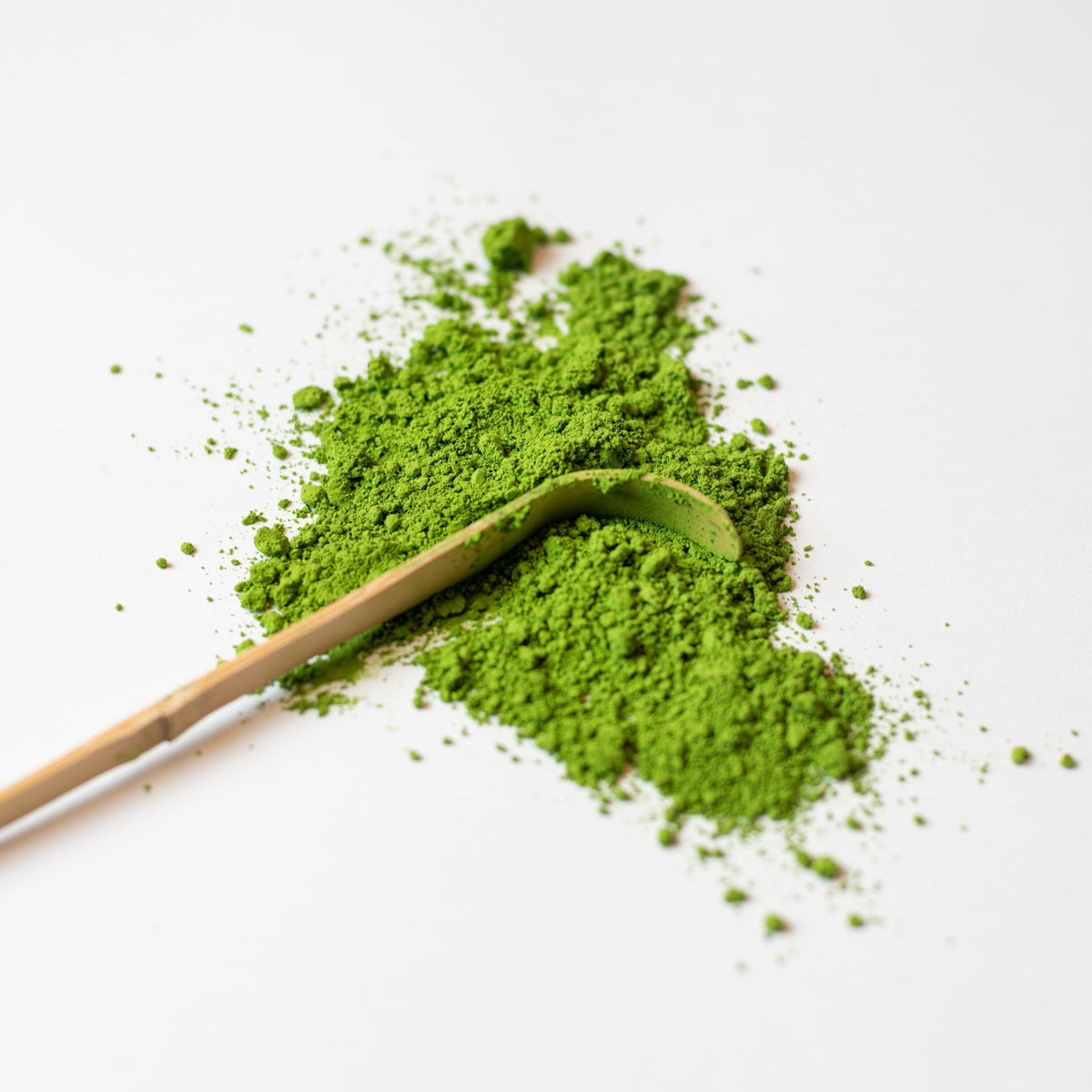
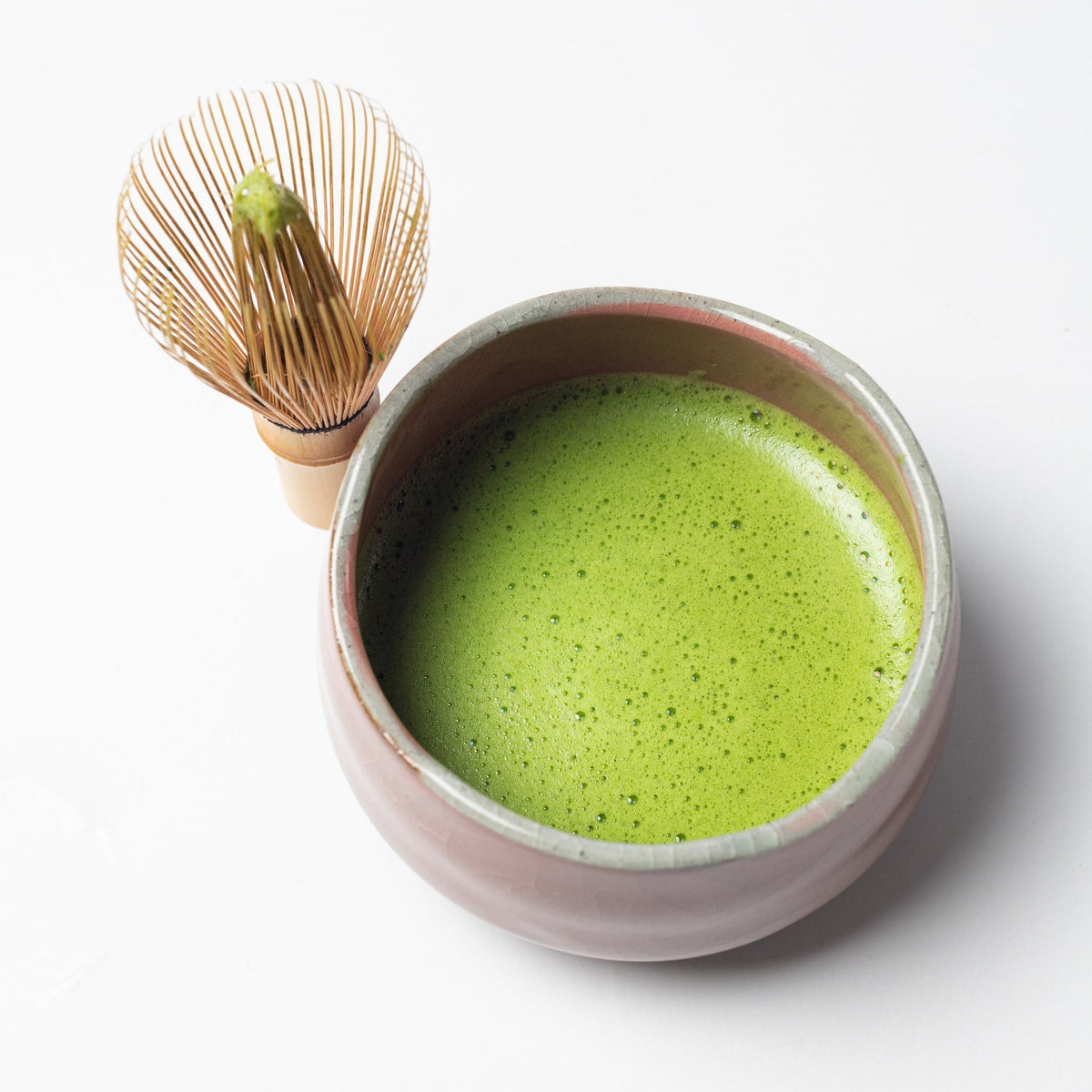
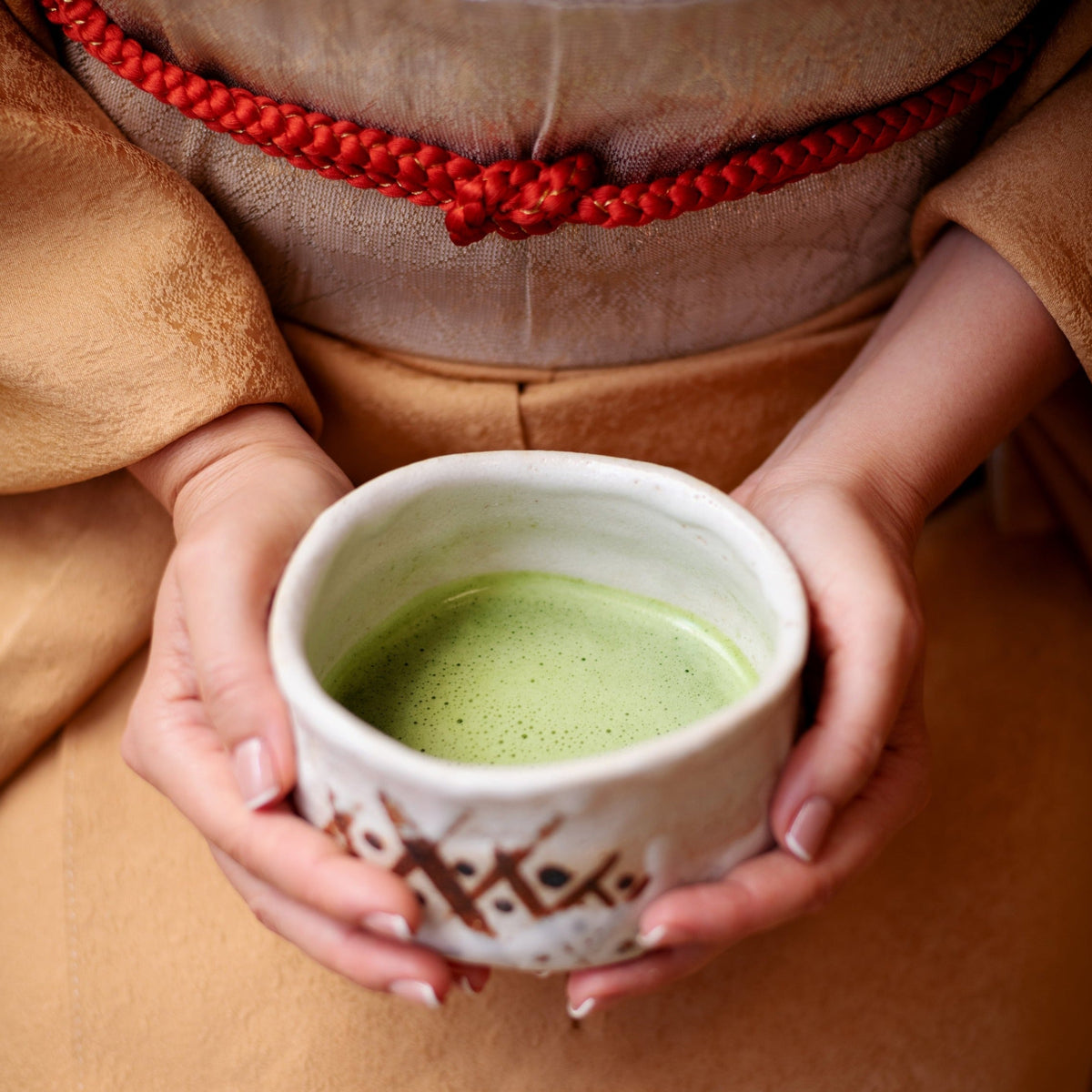
This is Kitsune’ s most popular matcha. This matcha is characterized by a rich, moderate sweetness which allows you to fully appreciate the umami and the full fragrance of the tea leaves. This matcha is also a favorite at chado Tea ceremonies. 

Classification : Ousucha, thin matcha
Production/cultivation area : Kyoto Prefecture (Ujitawara Town,
Obukudani)  Picking/harvesting method : pruning shears
Tea cultivar : Samidori
Harvest : first flush tea

KITSUNE Matcha are sourced at the renowned Ujitawara Town, Obukudani. A renowned matcha region, the matcha produced here it's highly reputed for it's delicious tea with little bitterness. Its gentle taste makes it the perfect matcha for beginners.

Ousu / thin matcha : Matcha that is made from using a smaller amount of matcha powder than thick matcha.

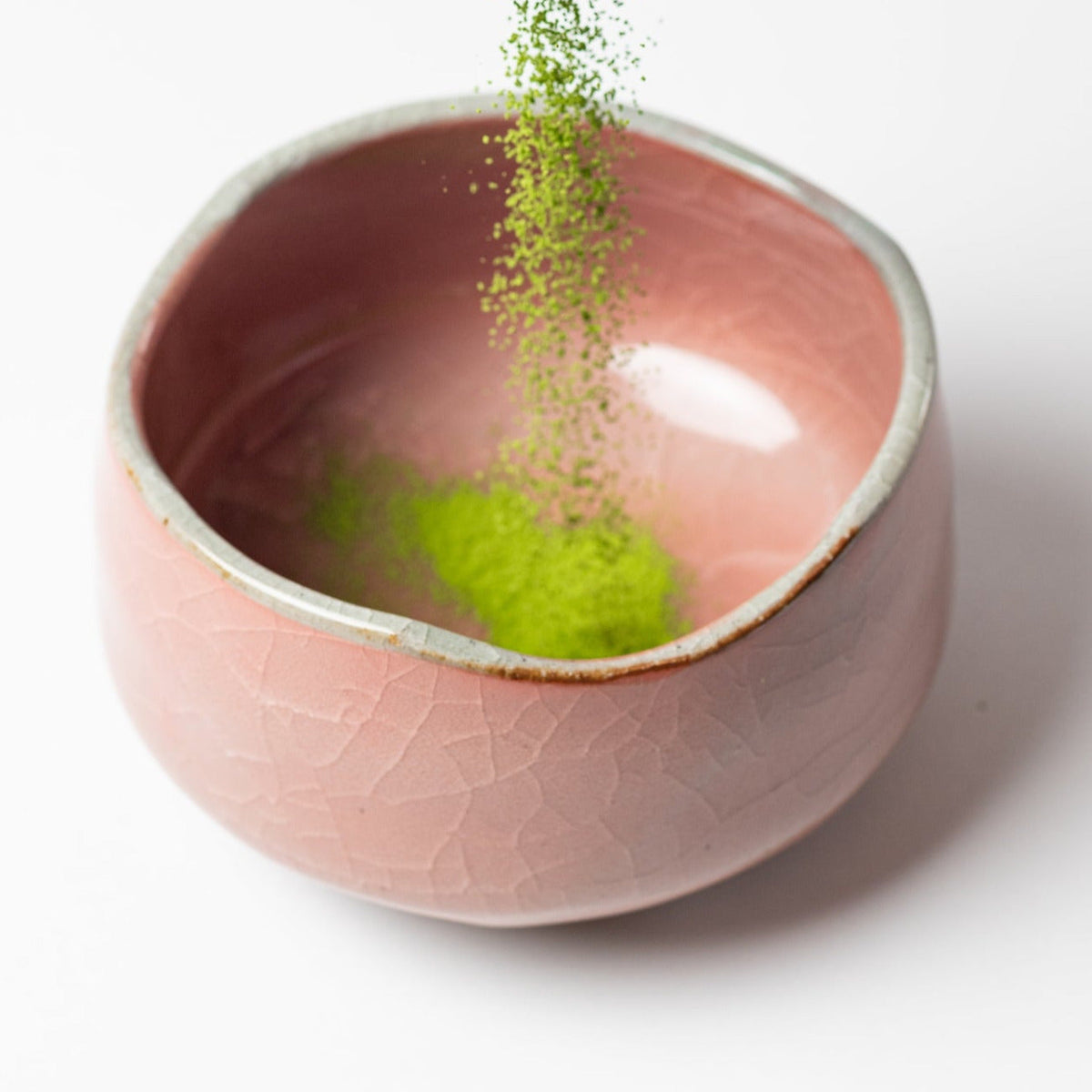
KITSUNE has implemented the latest pulverization tool that uses the same methods as a stone mill. Such technology allows KITSUNE to prepare fine powdered tea.
Exploring the birthplace of Japanese green tea which transformed Japanese tea culture.

Ujitawara Town, Kyoto, is known as the birthplace of the “Aosei Sencha Seihou,” a green tea processing method developed by Nagatani Soen during the Edo Period.

This method became the foundation for green tea processing methods used today.
Embraced by small mountains, Ujitawara is home to sprawling tea farms. Nagatani Soen, known as the “Father of Japanese green tea,” was born at Yantan, Ujitawara Town. In 1738, he devised the Aosei Sencha Seihou, a tea processing method which steams new tea leaves before they are dried and hand-rolled on an equipment called hoiro. This method became the foundation for Japanese green tea processing methods used today.

Obujukudani, a valley at the end of a narrow forest path of Ujitahara. Tea cultivation at Ujitawara Town began during the Kamakura Period. A disciple of a noted priest, Mejo-e, introduced the cultivation method and planted the first tea seeds at Obukudani, which is located at the foot of the sacred Mt. Jubu.

The climate and fertility of Obukudani made it an ideal place for tea cultivation, producing teas of superior taste. The hosakicha tea from Obu was offered to the Imperial court and to the Kamakura Shogun, and highly praised for its profound aroma. 

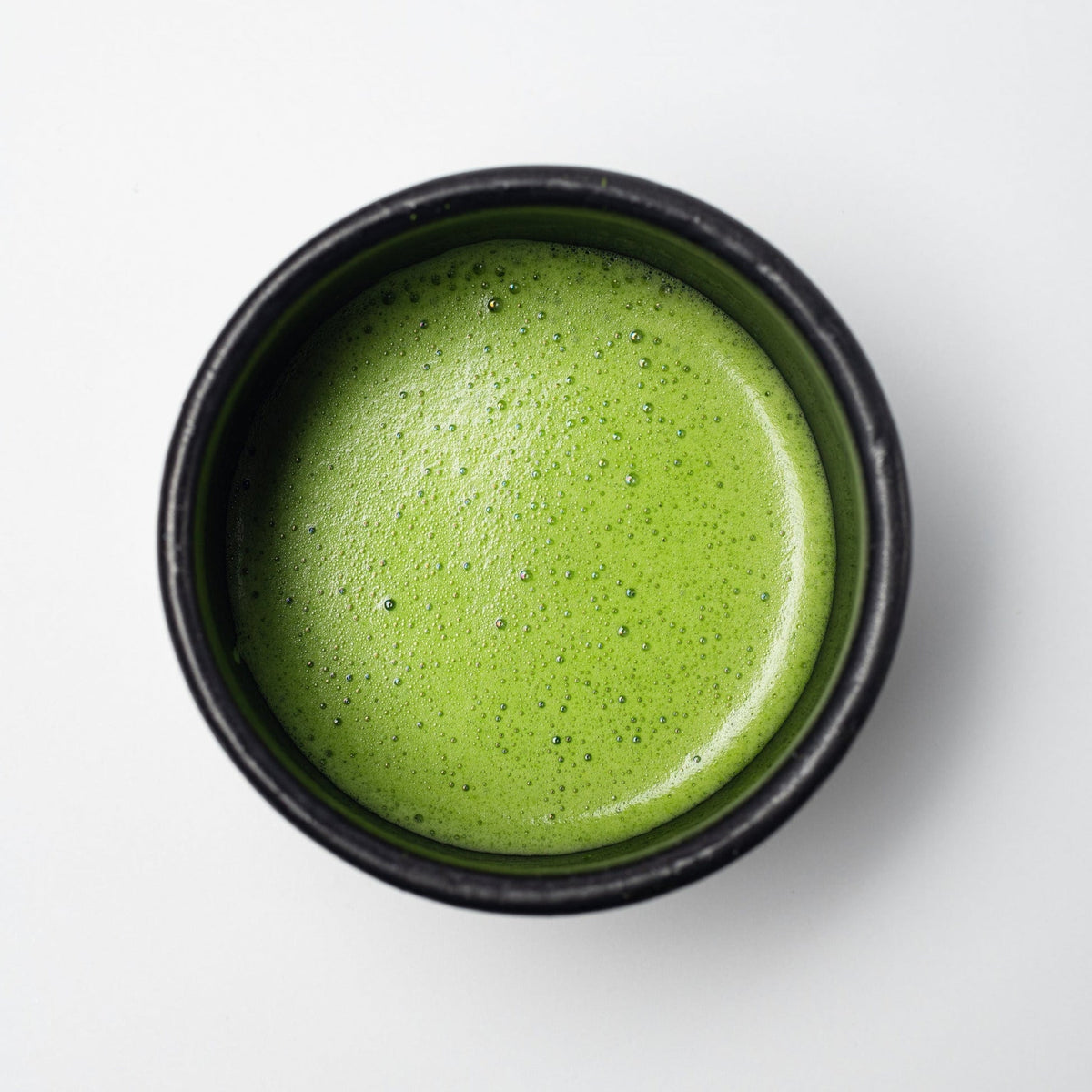
Thin matcha that is characterized by mellow umami and gentle astringency.
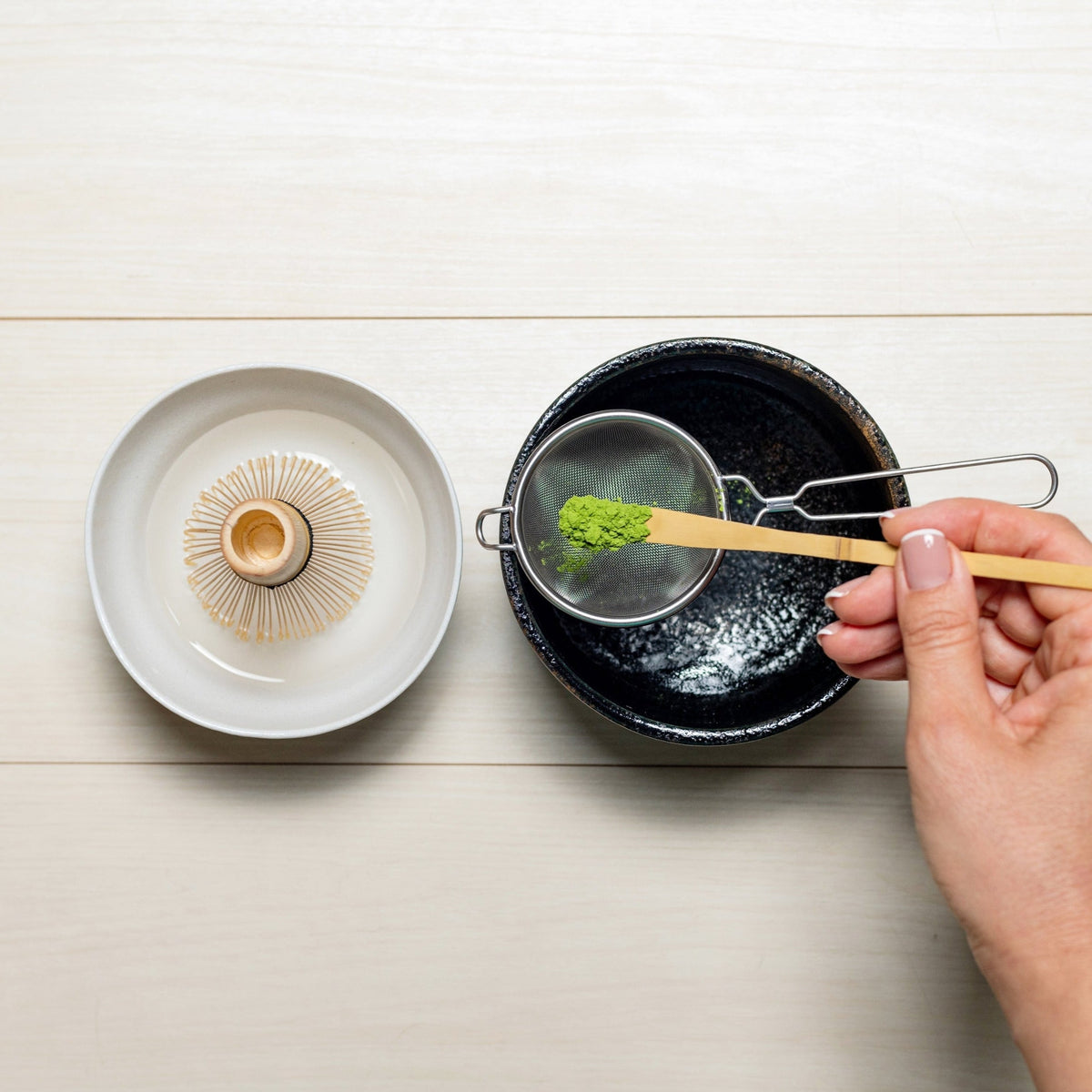
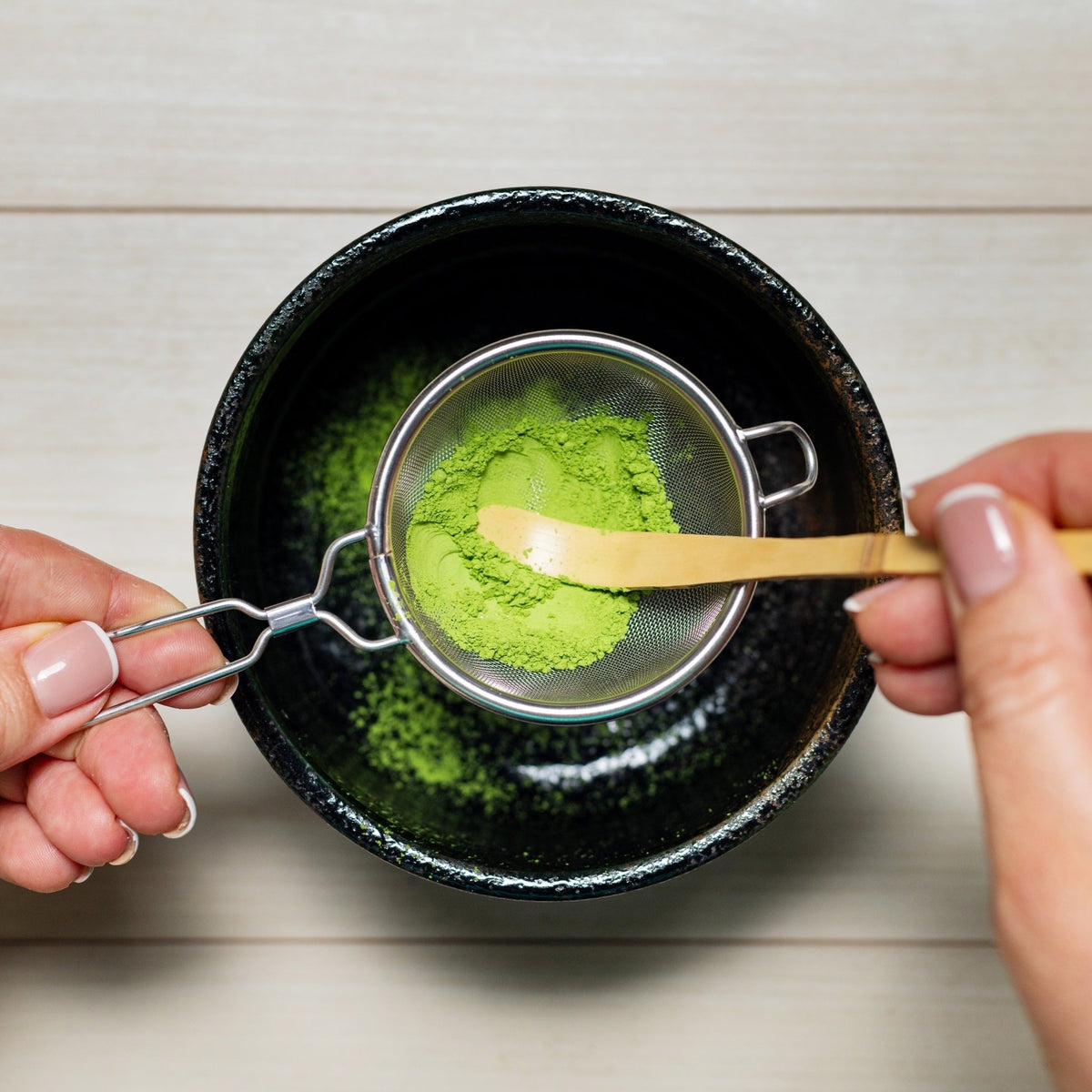
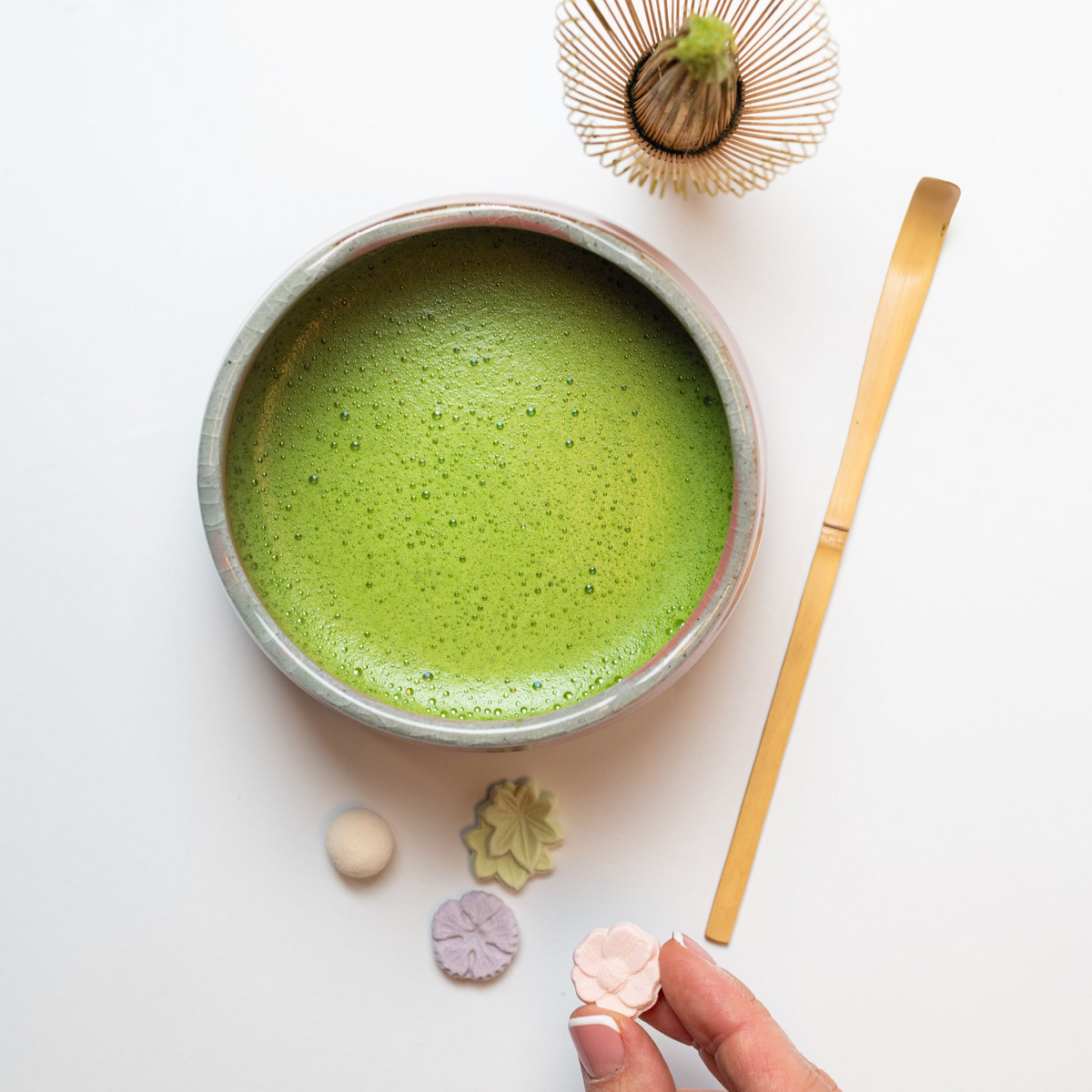
With 40g of matcha powder, you can enjoy approximately 20 cups of matcha by using 2g of powder for each cup.

It is recommend storing tea in a cool, dark place. 
Please avoid storing tea in areas with moisture, strong sunlight, and strong odors.
View full details